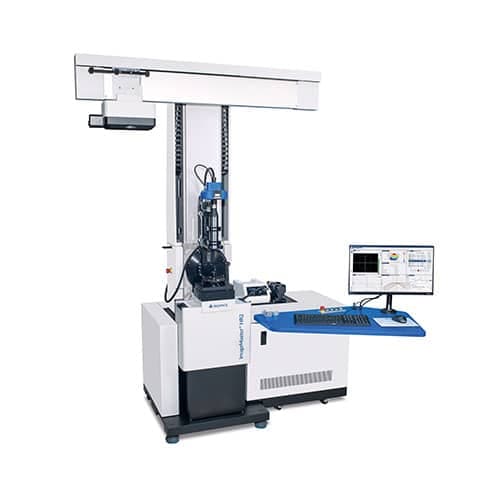
Solutions for the automotive industry

TRIOPTICS brings the complex driver assistance systems of the automotive industry onto the road.

We support manufacturers and suppliers in their task of ensuring the quality, longevity and sustainability of their systems. Our system solutions for active alignment and assembly enable the mass production of camera modules with appropriate testing technology. Get to know some of our innovations, which are extremely important for autonomous vehicles. Make the change.
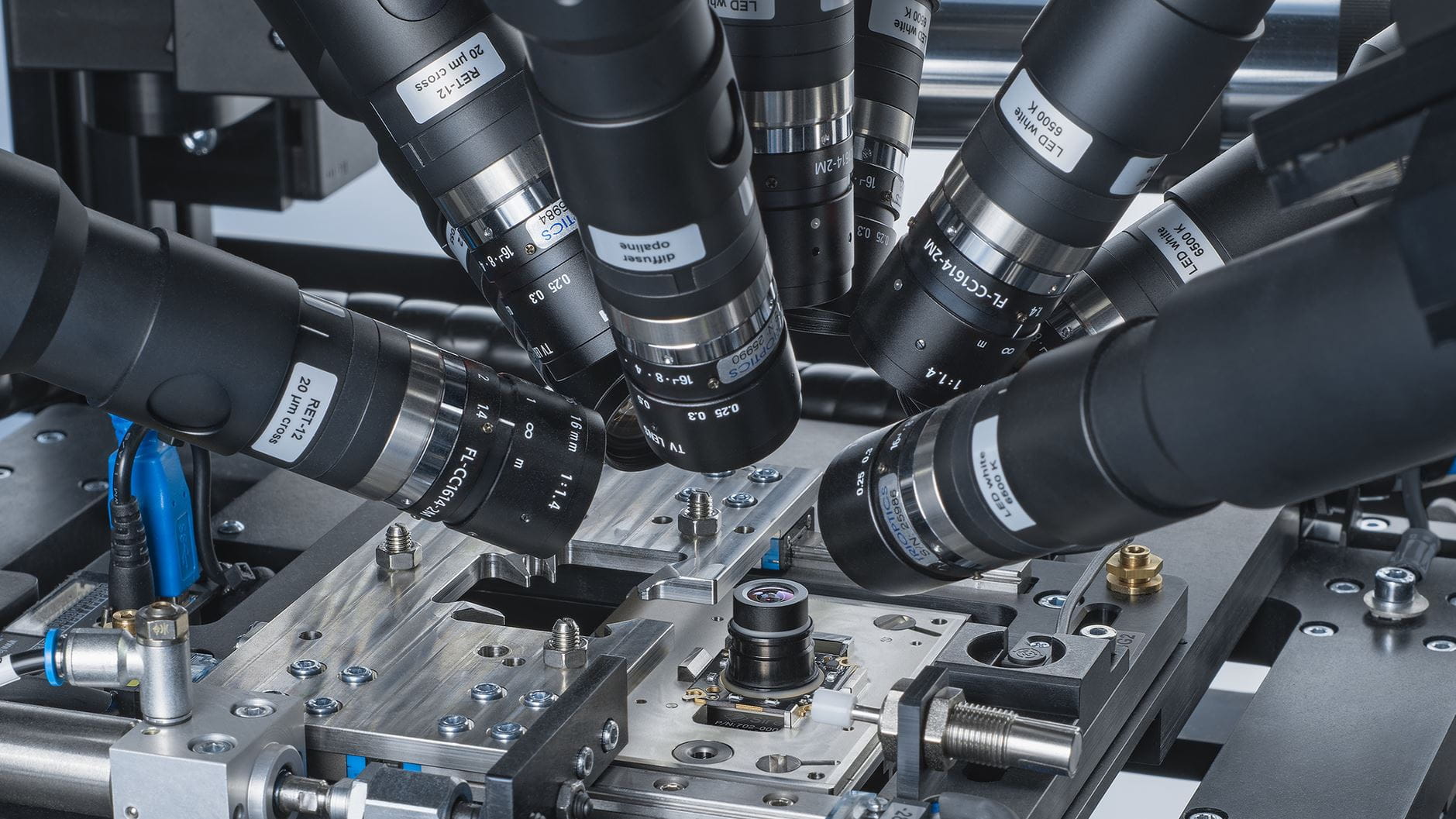
CamTest

Active alignment & testing of ADAS cameras

Even with a perfect lens system, the image quality of a complete camera deteriorates if the lens is poorly aligned with the sensor. This effect is amplified with the increasing performance of ADAS camera modules and the higher resolution of sensors. For this reason, the high-precision active alignment of optics and sensor is necessary in the production of camera modules. With our ProCam® technology, the sensor is aligned with the camera optics in up to six degrees of freedom with sub-micron/sub-arcmin resolution. The components are focused, centered, tilt adjusted and rotated in one single alignment step.

Automotive lighting

Optical alignment of Automotive lighting

Automotive lighting is a rapidly growing area of the automotive industry. Advances in digital headlights are an important milestone, offering tangible benefits in terms of visibility, safety and driving comfort. Intelligent headlights project safety-related information and symbols onto the road. This projection is made possible by intelligent and high-resolution light. In this way, lighting can guide, warn, and assist, making it an important lever for increasing road safety in particular. The necessary projection units with high-resolution LED pixel or micromirror matrix require precise optical alignment of the components. This is where our expertise and many years of experience in the alignment of optoelectronic systems come into play.
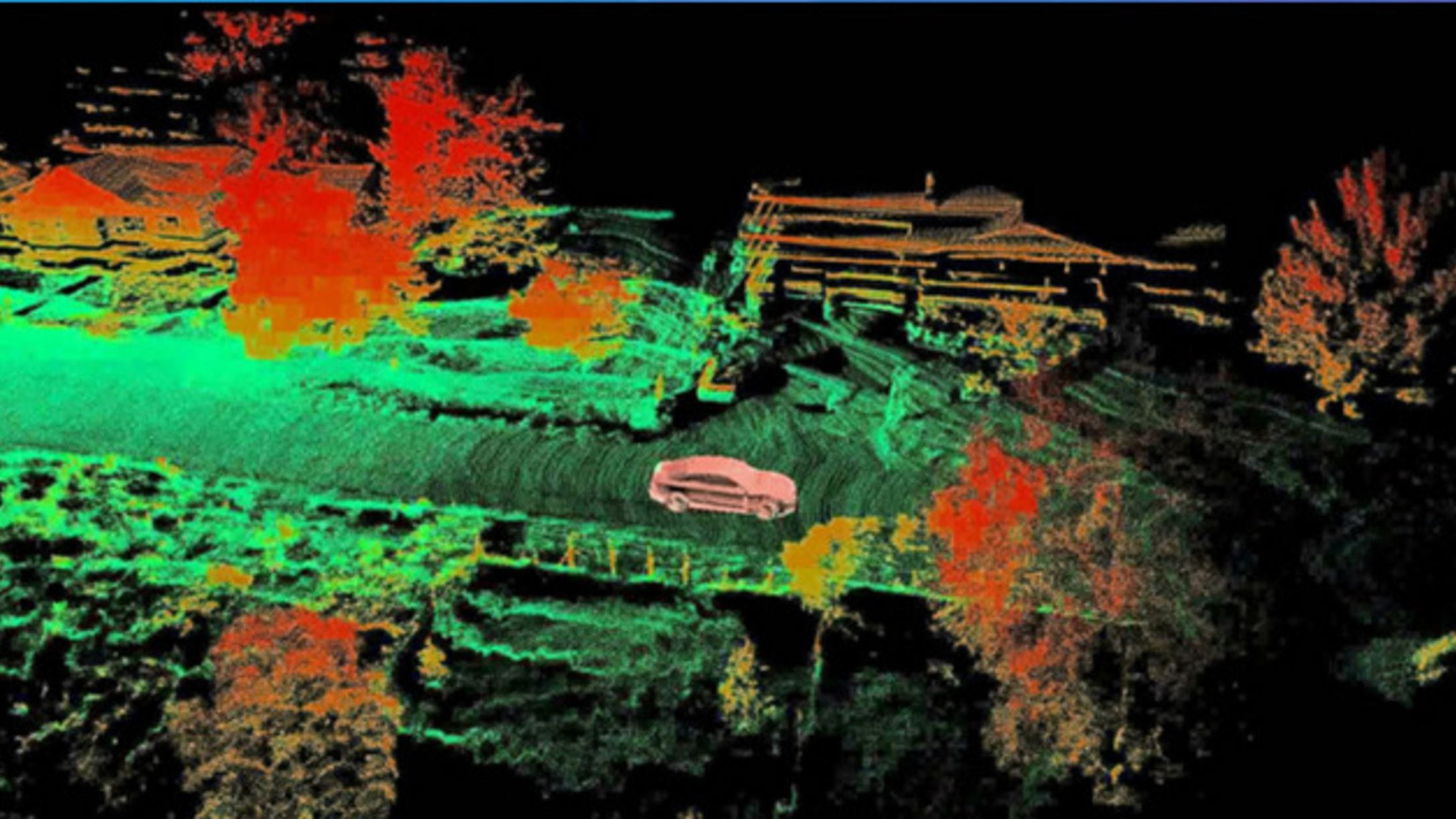
LiDAR picture

Alignment & testing of LiDAR systems

There is one thing that Flash-LiDAR, solid-state LiDAR or mechanical LiDAR scanning systems certainly have in common:
The interaction of the optics and sensor chip of the emitter and receiver unit of the LiDAR sensor must be absolutely precise and perfectly aligned.
If the components are not precisely positioned, objects and distances cannot be reliably detected. In the worst case, this could compromise the safety of autonomous vehicles. Accordingly, perfect performance must be ensured from the first sample to the series product. We are happy to support you in choosing the right production method and manufacture the important first LiDAR prototypes together with you.

Active alignment & assembly of ADAS cameras

Advanced Driver Assistance System (ADAS) technologies for vehicles require highly reliable image processing systems and optical sensors to ensure safe and trouble-free operation on the road. Lives depend on it. These requirements are met by TRIOPTICS optical measurement and manufacturing systems. We integrate these high-precision metrology modules into mass production and provide solutions for the lens quality check, active alignment and end-of-line test for fully automated camera production lines.
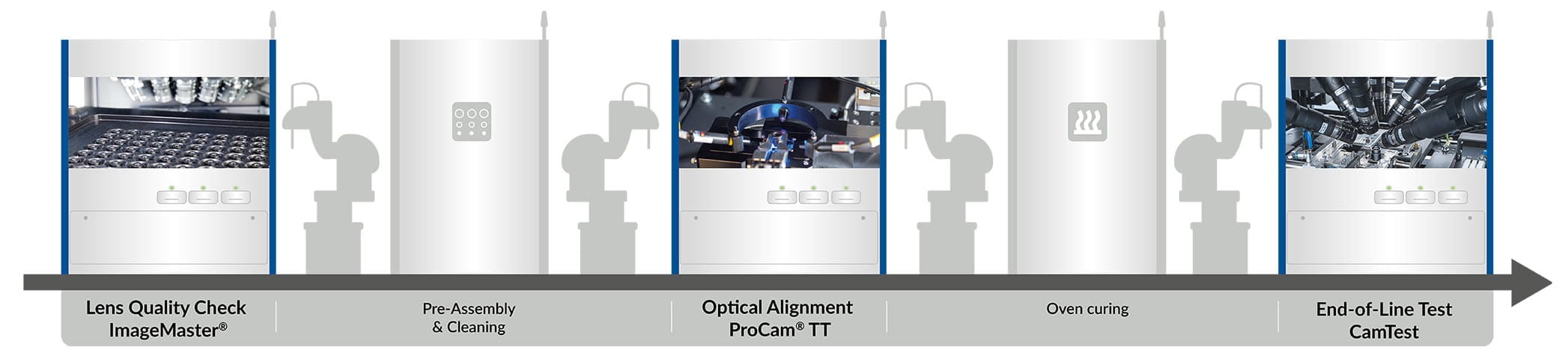

Automated camera assembly line
TRIOPTICS Expert

Interview with our Automotive expert Dr. Dirk Seebaum


What is the significance of cameras in automotive applications for ADAS/AD and DMS/OMS, and how are they evolving?

Cameras play a crucial role in automotive applications with growing importance for active safety-related applications as well as an increase of comfort. The demand for higher image quality and reliable performance continues to grow, driven by the need for more sophisticated image processing. The integration of AI and machine learning cannot replace the need for optimal optical performance to exploit the full capabilities of a camera system’s components. The integrity of the image data provided by cameras is essential for all subsequent processing, whether it occurs at the edge or in central computing. TRIOPTICS supports the entire value chain, from lens testing and manufacturing to active alignment and quality verification of camera modules in production and vehicle integration.

What special technical properties must image processing systems in automobiles fulfill and what challenges still lie ahead?

Image processing systems in automobiles must fulfill several critical technical properties to meet the demands of ADAS and AD. One of the primary challenges is capturing detailed images to improve accuracy in object detection and classification at larger distances or wider fields of view (FOV) which requires higher pixel counts and smaller pixel dimensions. However, this can reduce the depth of field of the lenses, making it more challenging to maintain sharp focus. Advanced calibration methods are required for distortion-free imaging. To address these challenges, TRIOPTICS provides high-precision optical metrology and production solutions. Our advanced alignment and testing systems ensure that cameras are accurately aligned and calibrated to perform reliably in various environmental conditions. By continuously improving our processes, we aim to achieve the highest production speeds while maintaining the required quality standards, ensuring that each camera module meets the stringent performance criteria needed for ADAS and AD systems.

What are the emerging trends in optical sensor technology for driver assistance systems and autonomous vehicles?

The emerging trends are driven by the need for higher levels of autonomy and compliance with legislative requirements. One notable trend is the use of thermal (Long Wave Infrared) cameras, which offer enhanced sensitivity and resolution, making them ideal for detecting heat signatures in various conditions, particularly in low-light and adverse weather. This technology is ready for large-scale deployment and can significantly improve the reliability and safety of ADAS and AD systems. Another significant trend is the adoption of solid-state and frequency-modulated continuous-wave (FMCW) LiDAR. TRIOPTICS has extensive experience in developing solutions for a wide variety of LiDAR systems, combining proven technologies to create effective production solutions from prototyping to mass production. Our customized production and testing equipment ensures that these advanced sensors meet the stringent quality standards required for automotive applications.

Given the advances in sensor technology - what impact does this have on the demands manufacturing is placing on sensor production as they are facing increasingly stringent requirements and handle ever-larger volumes?

We are observing significantly increased demands in production due to advances in sensor technology. The industry's production goals are to produce high-quality sensors efficiently, balancing cycle times and production yields. TRIOPTICS focuses on continuous process improvement to achieve the highest production speeds while maintaining stringent quality standards. When aligning optical sensors, the goal is to find the optimal combination of performance characteristics of the electrical and optical components to meet the quality requirements for the final product. TRIOPTICS' systems are designed to handle these challenges, leveraging data from both the components and the production process to improve yield and throughput. By continuously refining our processes, we aim to optimize cycle times and reduce production costs, making it possible to scale efficiently as the demand for advanced sensors grows.

What challenges is the industry facing and how does TRIOPTICS contribute as a technology leader?

To better leverage the performance characteristics of electrical and optical components in camera production, a deeper understanding of the relationship between camera performance and the quality of its components is required.

TRIOPTICS equipment is regarded in the industry as the benchmark for lens testing, ensuring that a lens’s quality meets specifications and lives up to the quality standards customers expect. We also offer reliable and reproducible camera testing solutions to ensure the required performance in every unit installed in a vehicle. TRIOPTICS integrates its testing solutions throughout the entire value chain, enabling continuous monitoring and optimization of component performance to achieve the best possible final product.

In the case of LiDAR sensors, for example, there are still a wide variety of different sensor principles and newly developed systems that require highly specialized solutions to produce automotive-grade LiDAR systems. Here, we work successfully with our customers at a very early stage of product development to adapt the products for effective manufacturing. This “lab-to-fab” approach has helped our customers reduce time-to-market and manufacturing costs for the outstanding sensor technologies they have developed.

As a pioneer in high-precision optical measurement technology, TRIOPTICS remains committed to staying ahead of technological advancements. We aim to continue developing and offering solutions that meet both current and future industry requirements, working closely with our customers to drive innovation and excellence in automotive camera manufacturing.

Discover our products for the automotive industry

Our Newsletter – Your advantage in knowledge

Be one of the first to experience our product novelties and innovative application possibilities.

Register for the newsletter